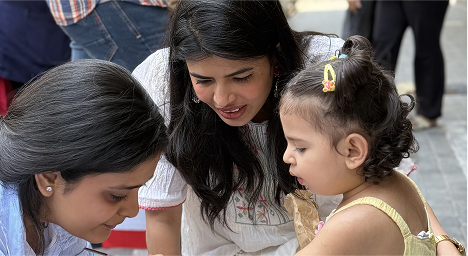
The Science of Play: Why Fun Is Serious Business
Discover how unstructured play boosts brain development, emotional regulation, and social intelligence — and why it’s a non-negotiable in early education.

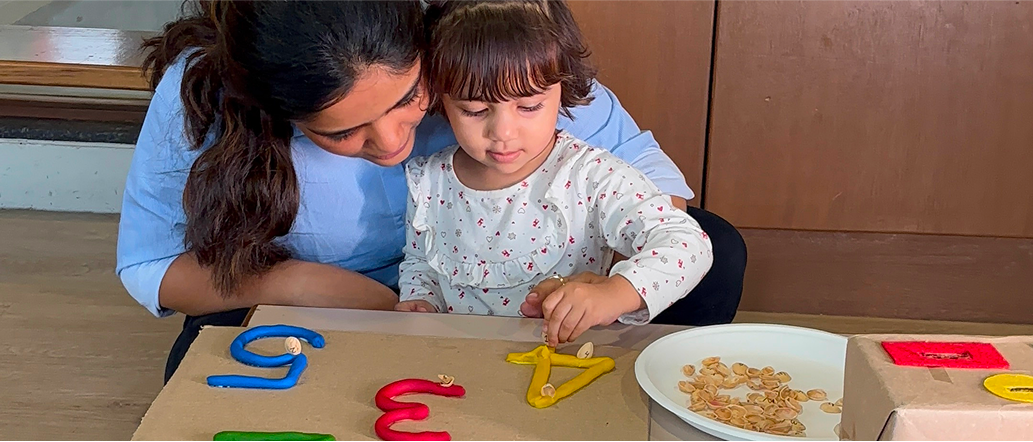
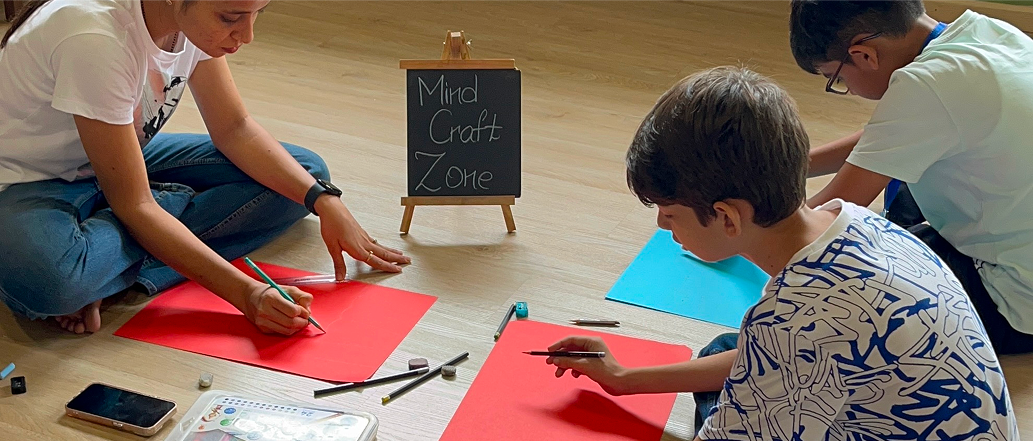
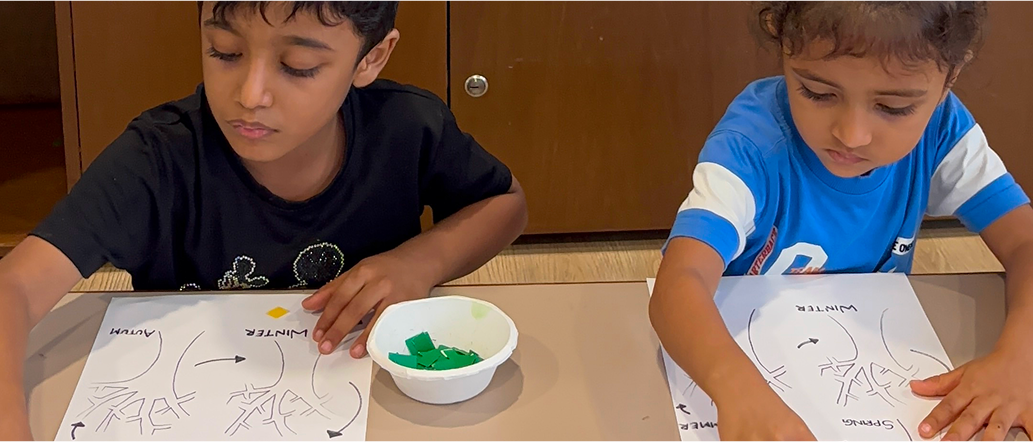
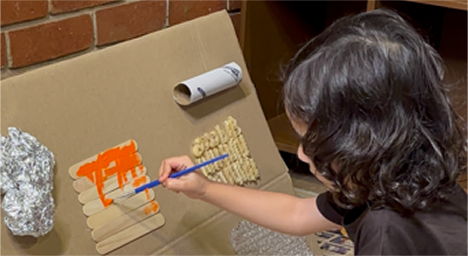
Unstructured, imaginative play activates multiple areas of a child’s brain. It supports:
Studies show that play stimulates the prefrontal cortex — the brain’s command center for planning, decision-making, and focus.
Through play, children learn how to navigate feelings like frustration, disappointment, and excitement in a safe environment. When a tower of blocks falls or a game doesn’t go their way, they:
Play builds self-regulation — a key skill for lifelong emotional health.
Social play teaches children how to interact with others — one of the most important skills they’ll carry into adulthood. Through play, kids learn:
These experiences teach children how to be adaptable, compassionate, and socially aware — all essential for leadership and strong relationships.
While structured activities have their place, unstructured play (play without specific goals or adult direction) is where real exploration happens. It allows:
Over-scheduling and early academics can crowd out this essential brain-boosting activity. At HMLA, we strike a healthy balance between guided learning and free play.
Play is not a luxury or a break from learning — it is learning. When we make space for play, we give children the tools to become curious thinkers, emotionally intelligent humans, and confident leaders.

Discover how unstructured play boosts brain development, emotional regulation, and social intelligence — and why it’s a non-negotiable in early education.

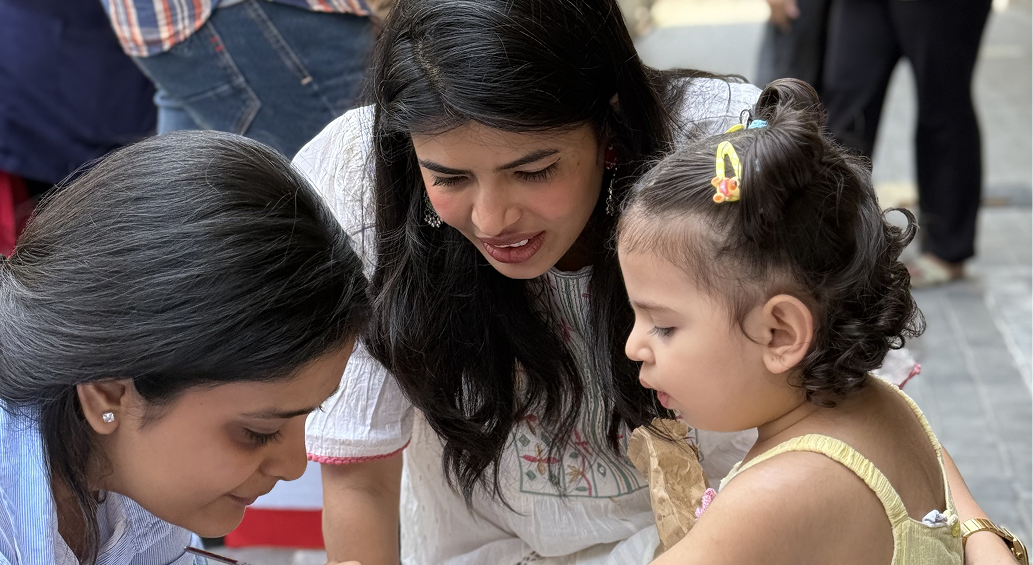
Learn simple, everyday techniques to help your child identify, express, and manage emotions — the foundation for lifelong success and empathy.
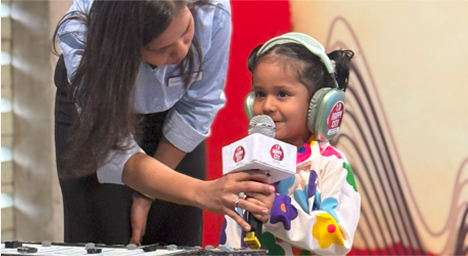
Explore how integrating both left and right brain activities shapes confident, creative, and balanced individuals — starting in early childhood.